Key takeaways
- GLP-1-based weight-loss treatment usually reduces far more fat mass than lean mass , but some lean-mass loss can occur.
- Lean mass includes more than skeletal muscle, so a DXA or body-composition result should not automatically be read as “muscle lost.”
- For adults over 50, preserving strength and function deserves extra attention because age itself raises the risk of sarcopenia.
- Resistance exercise, adequate nutrition and clinician-guided monitoring are practical ways to protect muscle during substantial weight loss.
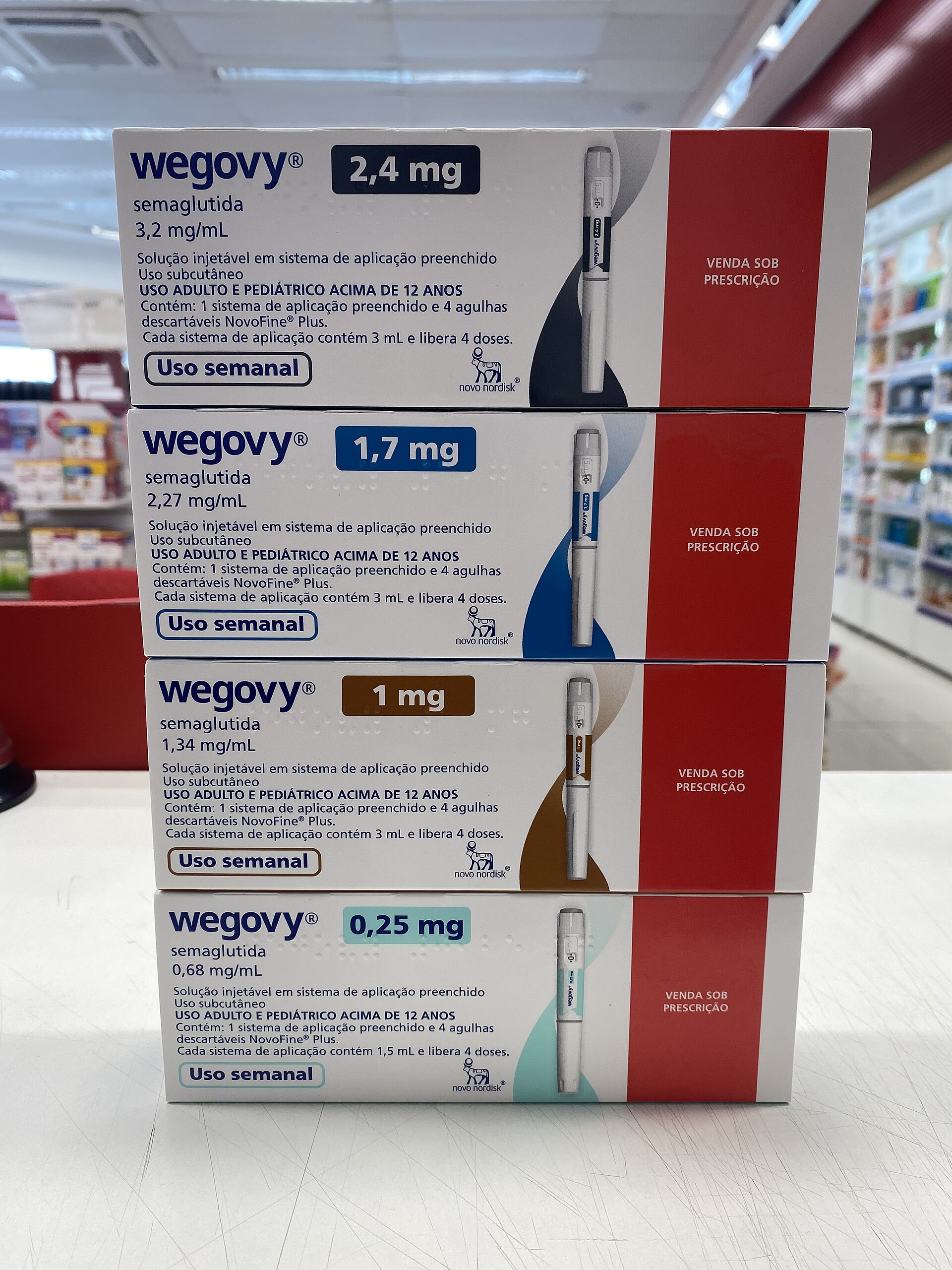
The question usually arrives in a dramatic form: “Does Ozempic make you lose muscle?” The more accurate answer is that meaningful weight loss — whether it comes from medication, diet, bariatric surgery or another method — rarely consists of fat alone. The body can lose a mixture of fat, water and lean tissue.
With newer GLP-1-based medicines, the amount of total weight loss can be large enough that changes in body composition become clinically important. That matters especially after age 50, when maintaining muscle strength, mobility and independence becomes increasingly valuable.
What the research actually shows
A 2026 systematic review and meta-analysis of randomized trials found that GLP-1 receptor agonist treatment at obesity-management doses was associated with a reduction in absolute lean mass, while body composition still shifted toward a higher proportion of lean tissue because fat loss was greater. The authors concluded that lean-mass loss should be addressed with nutrition and exercise rather than treated as a reason to dismiss the medications altogether.
Tirzepatide data tell a similar story. In the SURMOUNT-1 body-composition substudy, participants receiving tirzepatide lost both fat mass and lean mass over 72 weeks. Roughly 75% of the weight lost was fat mass and about 25% was lean mass. That proportion was fairly consistent across the age subgroups studied.
Lean mass is not exactly the same as muscle
This distinction matters. “Lean mass” on a body-composition scan generally means everything that is not fat or bone mineral. It includes skeletal muscle, but also organs, connective tissue and body water. A change in lean mass therefore does not translate one-for-one into loss of functional muscle.
That is also why the number on a body-composition machine should be interpreted alongside what a person can actually do: walking speed, ability to rise from a chair, grip strength, resistance-training performance and day-to-day function can all provide useful context.
Why adults over 50 should pay closer attention
Muscle mass and strength tend to decline with age. Large, rapid weight loss can add another stressor if food intake drops substantially and physical activity falls at the same time. Someone who begins treatment with low muscle mass, frailty, poor protein intake or limited mobility may have less reserve than a younger, stronger adult.
The goal is therefore not simply to make the scale move. A better goal is to lose excess fat while preserving as much strength, function and nutritional quality as possible.
What may help protect muscle during GLP-1 weight loss
1. Make resistance exercise part of the plan
Walking is excellent for health, but it does not provide the same muscle-building signal as resistance training. Weight machines, free weights, resistance bands and appropriately challenging body-weight exercises can all play a role. The right starting point depends on fitness, balance, joint health and medical conditions.
2. Do not let appetite suppression turn into poor nutrition
GLP-1 medicines can make people feel full quickly. That can be useful for weight management, but it can also make it easy to eat too little protein or to replace meals with nutritionally weak snacks. A balanced eating pattern with adequate protein and micronutrients is especially important during rapid weight loss. People with kidney disease or other conditions may need individualized protein advice.
3. Watch strength and function, not only body weight
If the scale is falling but you are becoming markedly weaker, struggling with stairs, losing the ability to perform usual activities or falling more often, that deserves attention. A clinician may review the pace of weight loss, medication dose, nutrition, activity and possible unrelated causes of weakness.
4. Avoid chasing the fastest possible loss
More weight loss is not automatically better if it comes at the expense of nutrition, strength or tolerability. Medication dosing is generally escalated according to the product label and individual response; it should not be accelerated simply to force faster results.
Important: Do not stop or change a prescribed GLP-1 medication because of a body-composition number alone. Discuss concerns about weakness, nutrition, side effects or rapid weight loss with the clinician managing your treatment.
Common questions
Does Ozempic or Wegovy “eat muscle”?
That wording is misleading. Studies show that some lean tissue can be lost during GLP-1-associated weight loss, but fat loss is generally the dominant component. The clinical question is whether muscle strength and function are being preserved adequately for the individual.
Is tirzepatide different?
Tirzepatide can also reduce both fat and lean mass. In SURMOUNT-1, most of the weight lost was fat. Research is continuing to define how different medicines, doses, ages and exercise patterns affect muscle quality and function.
Should everyone on a GLP-1 get a body-composition scan?
Not necessarily. Body-composition testing can be useful in selected situations, but it is not required for every person. Trends in strength, activity, nutrition, symptoms and overall health may be more meaningful than a single scan.
The bottom line
GLP-1 drugs can be powerful tools for treating obesity and related disease, and substantial weight loss can include some lean tissue. For adults over 50, the smart response is not panic — it is to make muscle preservation part of the treatment plan from the beginning. That means paying attention to resistance exercise, nutrition, the pace of weight loss and functional strength, with adjustments made alongside a healthcare professional.
This article is for general educational purposes only. It is not a recommendation to start, stop or change semaglutide, tirzepatide or any other medication.
Sources & further reading
- 1
- 2
- 3
- 4
Leave a Comment
Have a question or a thought about this article? Leave a comment below. Comments are reviewed before they appear publicly. Please do not include private medical information.
Comments
Loading comments…